Source CE Industrial Automation Solar Tracker for Panels, Farms, and Rooftops
Find and compare 30 CE industrial automation solar tracker options for panel mounting, agricultural farms, and rooftop installations. Evaluate specifications like stroke, load capacity, and control systems to select the right linear actuator solution for your energy project; compare the available evidence and request quotations based on your requirements.
Key considerations
Products List


$225.00 - $245.00
Moq: 1000




Comprehensive Sourcing Guide
CE Industrial Automation Solar Tracker Sourcing Guide
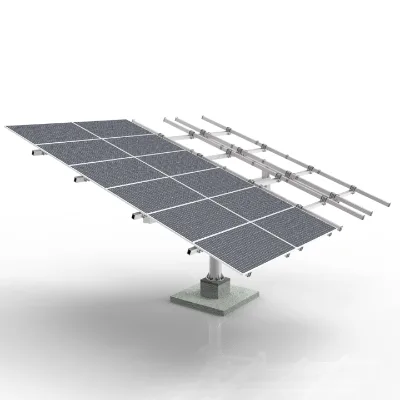
Procuring CE-certified industrial automation solar trackers requires distinguishing between linear actuator components and complete dual-axis tracking systems. The market offers distinct product categories, ranging from standalone DC linear actuators with specific load capacities to integrated solar tracking systems featuring MCU control algorithms. Buyers must first identify whether their project needs individual motion control units or a fully assembled dual-axis solution with astronomical tracking capabilities.
Verification of the specific product model is critical before initiating any procurement process, as specifications vary significantly between models like PA45, PA14, and the JCHX_T/D series. While some units are designed for general electric linear motion with a 24VDC input, others are specialized for solar applications with wind protection ratings and specific tracking ranges. Understanding these distinctions ensures that the selected hardware aligns with the mechanical and electrical requirements of the intended installation environment.
Product Scope and Observed Listing Signals
The observed product listings reveal a wide spectrum of capabilities, from basic electric linear actuators to complex solar tracking systems with advanced sensor integration. Listings indicate that customization is available for stroke lengths, installation distances, and optional functions such as Hall sensors, allowing buyers to tailor solutions to specific site constraints. However, the presence of these options does not guarantee that every listed product includes all features, requiring careful review of individual item descriptions.
Buyers should note that observed price ranges and minimum order quantities vary drastically, reflecting the difference between component-level purchases and system-level acquisitions. Some listings suggest a minimum order of 100 pieces for actuators, while others may accommodate smaller quantities for complete systems. It is essential to verify the specific application context, such as solar tracking systems requiring wind load resistance of 18m/s or snow load capacity, to ensure the selected product scope matches the operational demands.
Technical Specifications to Verify
Technical due diligence must focus on load capacity, speed, and environmental resilience to prevent premature system failure under operational stress. Buyers should verify that the specified load and maximum load ratings, such as 25000N and 40000N for certain actuators, align with the mechanical forces expected in the field. Additionally, the no-load and full-load speeds, often expressed in millimeters per second or revolutions, must be checked to ensure the tracking system can adjust panel angles efficiently without excessive lag.
Environmental operating parameters are equally critical, particularly for installations in extreme climates where temperature ranges and corrosion resistance are paramount. The working temperature range of -40°C to +60°C and corrosion categories must be confirmed for the specific site conditions. Furthermore, the integration of control systems, such as MCU-based algorithms with RS485 or wireless Zigbee data feeds, requires validation to ensure seamless communication and accurate closed-loop control for optimal solar energy capture.
Compliance and Safety Documentation
Compliance with CE certification is a fundamental requirement for industrial automation products entering the European market, serving as a baseline for safety and electromagnetic compatibility. Buyers must request valid CE documentation that specifically covers the product model in question, as certifications can vary between different product lines like the PA series or the JCHX dual-axis systems. Relying on general certification claims without verifying the specific model coverage can lead to regulatory non-compliance and potential market access issues.
Beyond CE marks, the presence of ISO standards and specific industry certifications like ISO 9001:2015 or IEC 62817 should be confirmed through official documentation rather than assumed from general product descriptions. These standards often relate to quality management systems and specific safety requirements for solar trackers, ensuring that the manufacturing process adheres to rigorous international benchmarks. Procurement teams should insist on seeing the actual certificate numbers and validity dates to validate the supplier's commitment to maintaining these compliance standards.
Cost Drivers and Commercial Terms
Cost structures for solar tracking systems are heavily influenced by the level of customization, the complexity of the control algorithm, and the inclusion of advanced features like wind protection or dual-axis movement. Buyers should anticipate that models with higher load capacities, such as those rated for 40000N, or those featuring AI-controlled closed-loop tracking, will command a premium over basic linear actuators. The choice between OEM and ODM services also impacts pricing, as custom engineering and branding add significant value to the final commercial terms.
Commercial terms regarding minimum order quantities and packaging must be clearly defined to avoid unexpected logistical costs. While some suppliers offer an MOQ of 100 pieces for standard actuators, larger system orders may have different thresholds and packaging requirements, such as wooden cabins for heavy-duty components. Lead times and shipping costs, often derived from the single package size and gross weight, should be factored into the total cost of ownership, especially when importing from origins like Tianjin, China, to global destinations.
Supplier Qualification and Quality Control
Supplier qualification should extend beyond basic business registration to include a thorough assessment of their manufacturing capabilities and quality control processes. Buyers must verify that the supplier has a proven track record in producing solar linear trackers and electric actuators, with a focus on their ability to deliver consistent product quality across different batches. The availability of OEM/ODM services indicates a level of flexibility, but it is crucial to confirm that the supplier maintains strict control over the customization process to prevent specification drift.
Quality control measures should include rigorous testing of critical performance metrics such as noise levels, tracking accuracy, and long-term durability under specified load conditions. Buyers should request test reports that validate the no-load current, wind load resistance, and tracking accuracy of less than 1 degree to ensure the product meets the required performance standards. Establishing a clear protocol for pre-shipment inspections and post-delivery support is essential to mitigate risks associated with product defects or performance failures in the field.
Long-Term Procurement Checks
Long-term procurement success depends on establishing a robust warranty framework and a clear plan for ongoing maintenance and support. The standard warranty period of two years for many electric linear actuators provides a baseline for protection, but buyers should negotiate terms that cover specific failure modes related to the harsh operating environments of solar farms. It is vital to clarify what constitutes a warranty claim and the process for replacing defective units to minimize downtime during the operational lifecycle.
Continuous monitoring of supplier performance and product reliability is necessary to ensure that the procurement relationship remains beneficial over time. Buyers should track key performance indicators such as the frequency of field failures, the responsiveness of technical support, and the consistency of product specifications across different production runs. Regular audits and feedback loops help maintain high standards and allow for timely adjustments to the procurement strategy as technology evolves and market conditions change.
FAQs
What certifications do these CE industrial automation solar trackers have?
The listed solar tracker actuators carry CE certification, and some product records also list ISO certification. Certification coverage can vary by model, so buyers should confirm the specific certificates for the exact model and batch before ordering. Requesting copies of the CE declaration and ISO documents during RFQ is a common practice for industrial automation procurement and helps verify compliance for your destination market.
What is the maximum load capacity of the PA45 linear actuator?
The PA45 model has a specified load of 25000 N and a maximum load of 40000 N. This makes it suitable for heavy-duty solar tracking and industrial automation applications. Actual usable capacity depends on stroke length, mounting distance, and working conditions, all of which are customizable. Always confirm the load rating for your configured stroke and installation distance with the supplier before placing an order.
Can the stroke length and installation distance be customized?
Yes, customization is available. The PA14 model offers a stroke range of 100 to 1200 mm with customizable installation distance starting from 2300 mm plus stroke, while other models allow installation distances from 330 mm plus stroke. OEM and ODM services are supported, so buyers can specify stroke, mounting dimensions, and optional functions such as a Hall sensor to match their solar tracking system design.
Which control and communication options are available for the tracking system?
The dual axis solar tracking system uses an MCU control system with astronomical algorithm plus closed loop AI control. Data feed options include RS485 and wireless Zigbee, and tracking accuracy is below 1 degree. Optional Hall sensors are available on actuator models. Buyers integrating into existing SCADA or monitoring platforms should confirm protocol compatibility and wiring requirements with the supplier before finalizing the configuration.
What environmental conditions can these solar tracker actuators withstand?
The actuators are rated for a working temperature range of -40 to +60 degrees Celsius, with a wind load rating of at least 18 m/s and snow load capacity of 1.4 kN per square meter on the tracking system. Wind protection is included. These ratings suit outdoor solar installations in varied climates, but buyers in extreme environments should verify corrosion category and sealing details for their specific site conditions.
What is the MOQ and warranty for these linear actuators?
The listed MOQ is 100 pieces, and the products come with a 2-year warranty. Products are packed in wooden crates and originate from China, with manufacturing in Tianjin for some models. MOQ and warranty terms can vary by model and negotiation, so buyers ordering samples or small pilot batches should confirm current MOQ, warranty coverage scope, and spare parts support directly with the supplier before contracting.